- Have any questions?
- info@conceptsandcareers.com


Acai Theory: Reimagining Healthy Eating as an Experience, Not a Compromise

Decoding Consumer Minds: A Strategic Deep Dive into “The Psychology of Marketing” by Harinder Singh Pelia
April 22, 2026
Breaking the Nice Guy Pattern: A Strategic Analysis of No More Mr. Nice Guy by Dr. Robert A. Glover
April 27, 2026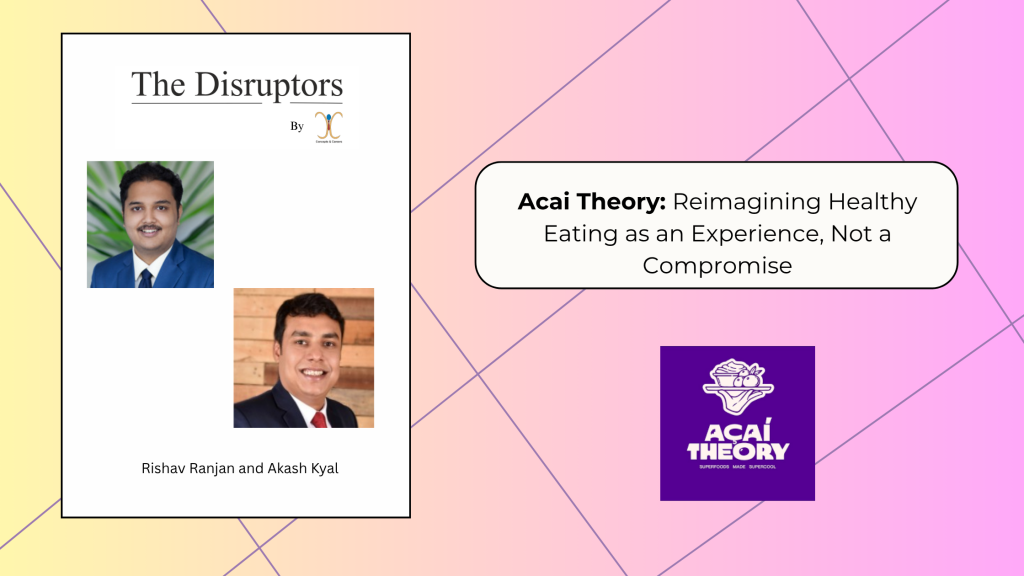
The Myth of “Healthy = Boring”
For decades, the Indian consumer has faced a binary choice:
- Healthy food = boring, restrictive
- Tasty food = indulgent, unhealthy
And this trade-off has defined:
👉 The entire food industry
But what if that trade-off never needed to exist?
That’s the premise behind Acai Theory—a Bengaluru-based startup that is attempting to redefine how India eats.
🧠 What is Acai Theory?
Acai Theory is a health-focused quick-service restaurant (QSR) brand built around açaí-based bowls, smoothies, and superfood snacks.
Founded in 2025 by Rishav Ranjan and Akash Kyal, the company is positioning itself at the intersection of:
👉 Health
👉 Convenience
👉 Indulgence
Within just months of launch:
- 10,000+ bowls served
- Strong early traction in Bengaluru
- ₹4 crore pre-seed funding secured
🌱 The Core Ingredient: Why Açaí?
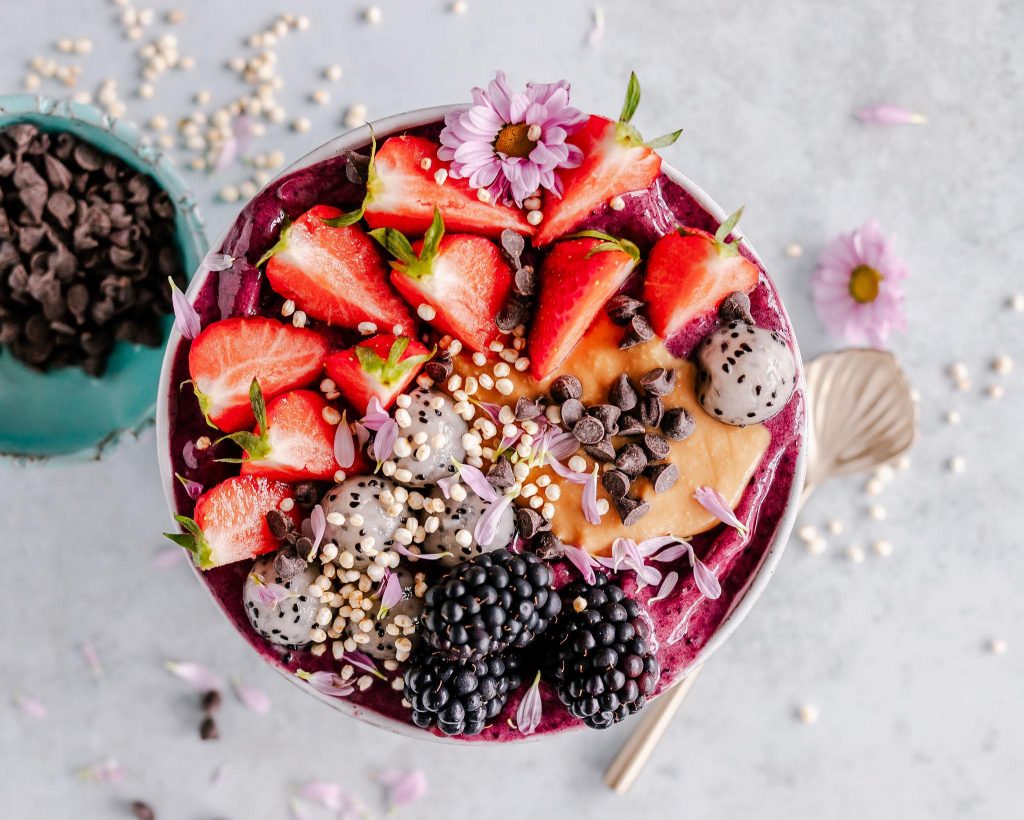
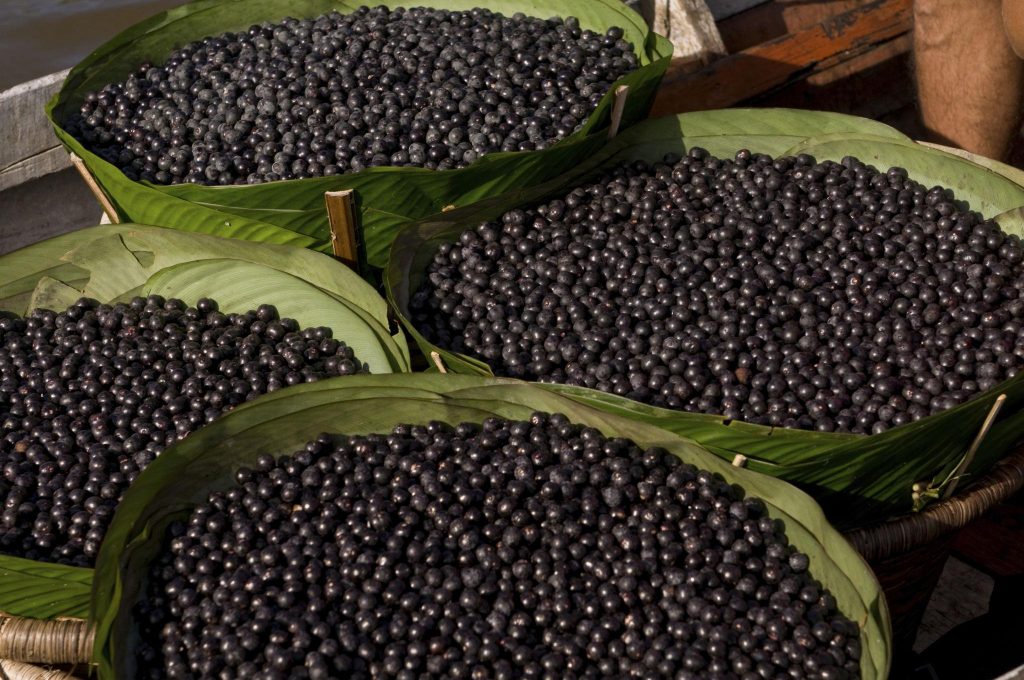
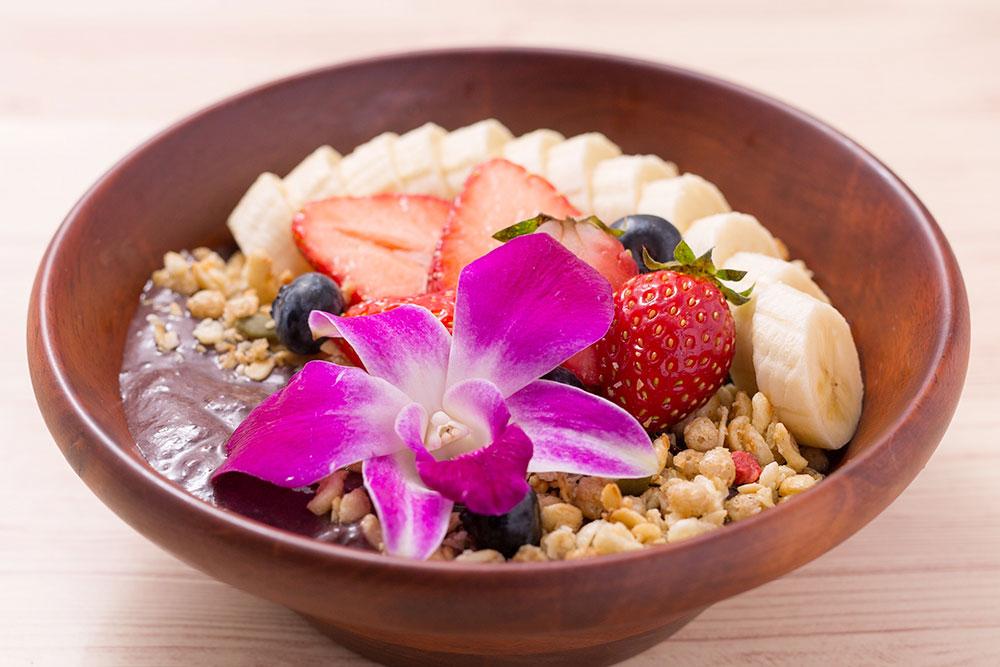
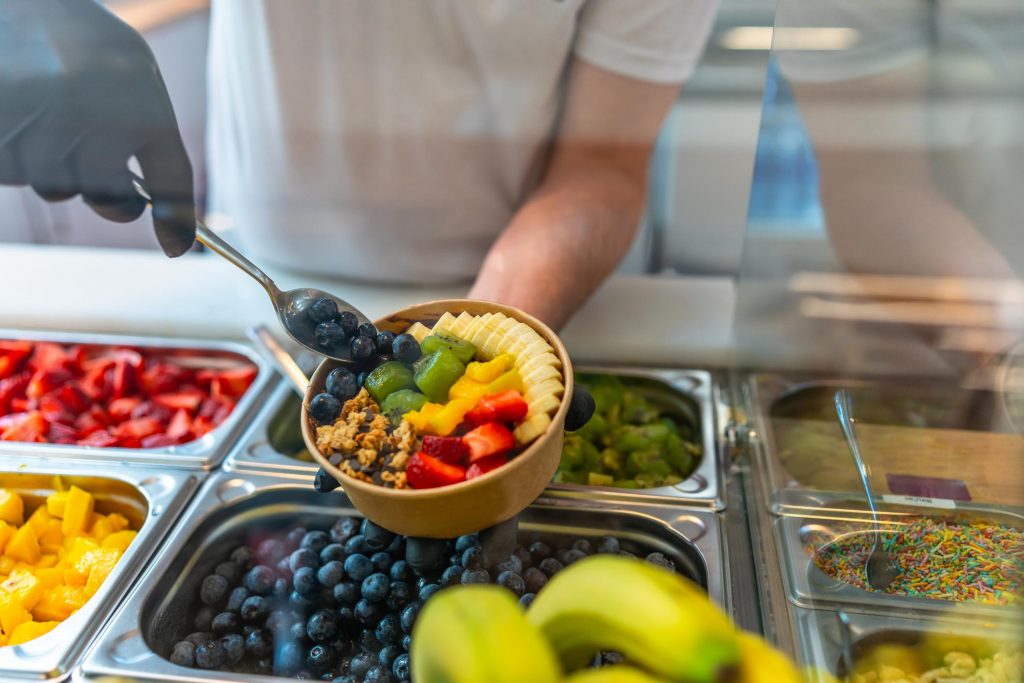
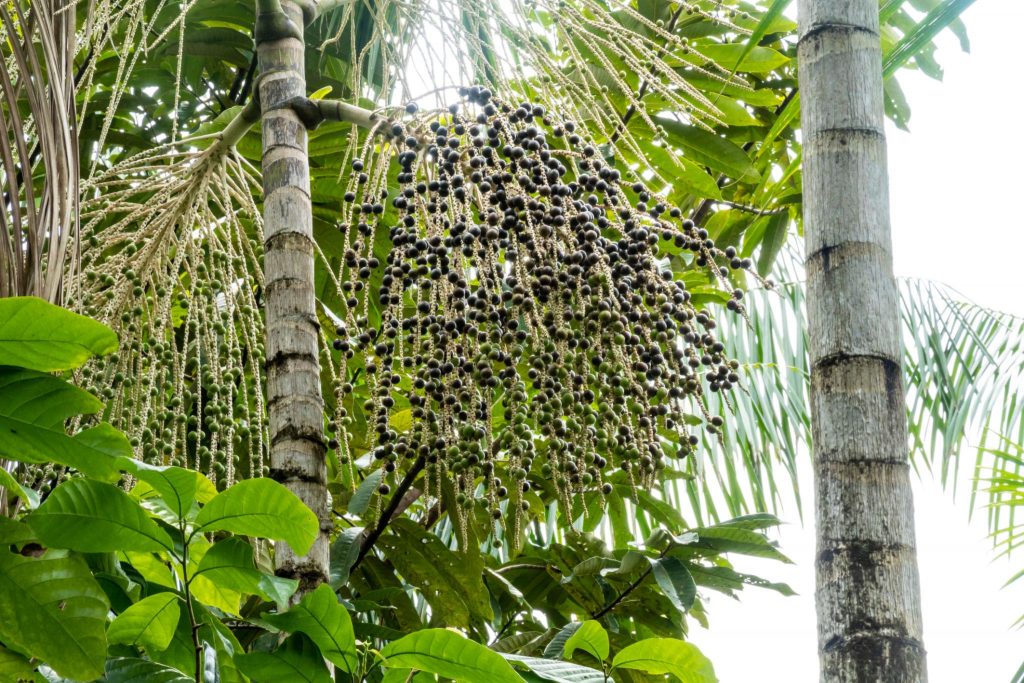
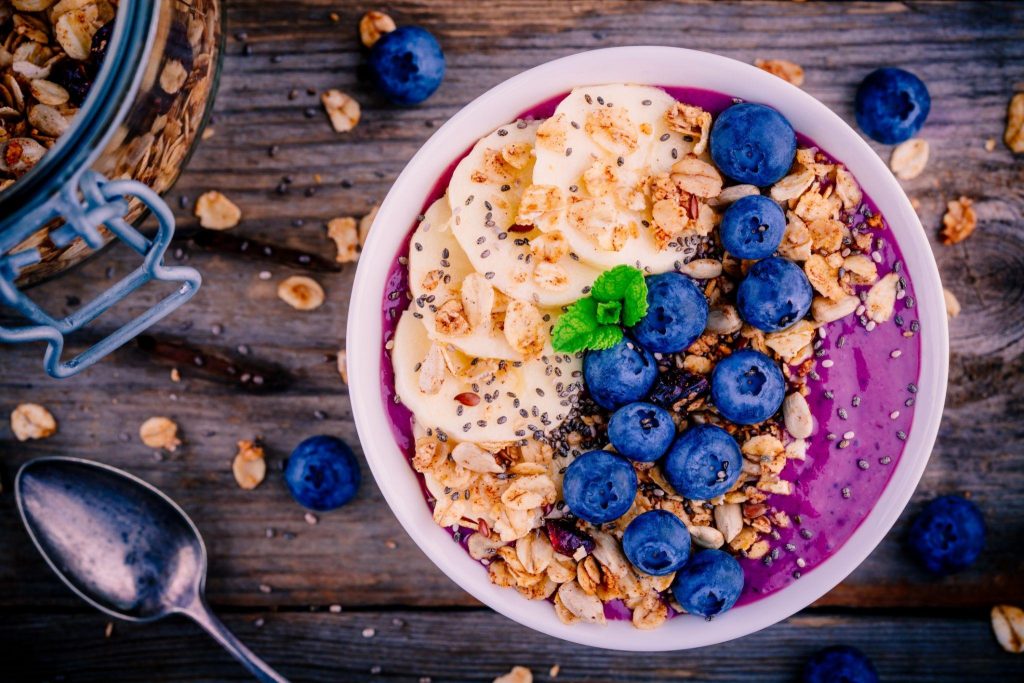
The foundation of the brand lies in the Açaí bowl, derived from the açaí berry native to the Amazon.
Key characteristics:
- High in antioxidants
- Rich in healthy fats
- Dense nutritional profile
Globally, açaí has transitioned from:
👉 Indigenous staple → Global superfood phenomenon
Acai Theory is essentially bringing this global food trend into India’s mainstream.
🔍 The Product Lens: Health as a Format, Not a Feature
1. From “Healthy Options” → “Healthy-First Menu”
Most restaurants:
- Add healthy items as alternatives
Acai Theory flips this:
👉 Entire menu is built on functional nutrition
This includes:
- Açaí bowls
- Smoothies
- Superfood snacks
2. Indulgence Without Guilt
One of their strongest product insights:
People don’t want to “eat healthy”
They want to “feel good while eating what they enjoy”
Acai Theory delivers:
- Dessert-like experience
- Nutritional density
- Clean ingredients (low sugar, natural sourcing)
3. The QSR Advantage
Instead of fine dining or niche cafés:
👉 They chose a quick-service model
Why this matters:
- Faster scalability
- Higher frequency consumption
- Lower operational friction
🧑💼 The Founder’s Insight: Solving a Cultural Gap
The founders identified a key behavioral gap:
In global markets, health and indulgence coexist
In India, they are still separated
This insight led to:
👉 Building a format, not just a product
As they stated, the goal is to make:
👉 “Healthy indulgence an everyday choice”
💰 The VC Perspective: Why Investors Are Betting Early
Acai Theory raised ₹4 crore in pre-seed funding, led by All In Capital and TDV Partners.
What makes it investable?
1. Massive Market Shift
India is witnessing:
- Fitness awareness boom
- Clean eating trends
- Urban health-conscious consumers
2. Category Creation Opportunity
There is no dominant:
👉 “Healthy QSR chain” in India
3. Repeat Consumption Model
Unlike luxury dining:
- Daily consumption potential
- Subscription-like behavior
4. Scalable Format
Plans include:
- 8–10 outlets in Bengaluru
- Central kitchen model
- AI-led operations optimization
🌐 The Consumer Behavior Lens: Why This Will Work
1. Gen Z & Millennials Want “Functional Food”
Food is no longer just:
👉 Taste
It is:
- Energy
- Fitness
- Lifestyle identity
2. Instagrammability Drives Adoption
Açaí bowls are:
- Visually vibrant
- Social-media friendly
👉 This creates organic marketing loops
3. Rise of “Feel-Good Consumption”
Consumers are shifting from:
- Cheap calories
To:
👉 Nutrient-dense experiences
⚙️ Business Model Breakdown
Revenue Streams:
- Retail Sales (Primary)
- Bowls, smoothies, snacks
- Expansion Model
- Multi-outlet scaling
- Centralized supply chain
- Future Opportunities
- Packaged products
- D2C health brand
- Subscription-based nutrition
⚔️ Competitive Landscape
| Segment | Players | Gap |
|---|---|---|
| Traditional QSR | McDonald’s, KFC | Low nutrition |
| Premium cafés | Third Wave, Blue Tokai | Not health-first |
| Health brands | Niche, expensive | Low scale |
| Acai Theory | Health + indulgence + QSR | Early-stage |
👉 Their moat:
Format + experience + ingredient differentiation
🔮 Future Vision: The “Healthy QSR” Revolution
If Acai Theory succeeds:
- Healthy food becomes default
- Fast food becomes functional
- Nutrition integrates into lifestyle
👉 This could create India’s version of:
- Sweetgreen (US)
- Acai chains (Australia)
⚠️ Challenges Ahead
- Supply chain for imported ingredients
- Price sensitivity in Indian market
- Educating consumers about açaí
- Maintaining consistency across outlets
🧠 Strategic Insight: What Acai Theory is Really Building
Most people think:
👉 It’s a food brand
But in reality:
👉 It’s a behavior change engine
It is trying to shift:
- What people eat
- How often they eat healthy
- How they perceive nutrition
🧠 Final Take: Why Acai Theory is a True Disruptor
Acai Theory is not just selling bowls.
It is:
- Rewriting food psychology
- Building a new consumption category
- Bridging global trends with Indian markets
From a Disruptors lens:
👉 It doesn’t compete with restaurants
👉 It competes with habits
And that’s where real disruption happens.