- Have any questions?
- [email protected]


Unlocking the Power of Words: A Comprehensive Analysis and Summary of “Copywriting Secrets” by Jim Edwards

Tal by Grapevine: The AI Talent Agent Rewriting How India Gets Hired
March 18, 2026
Bluelearn: The Social Learning Revolution That Challenged India’s Education System
March 24, 2026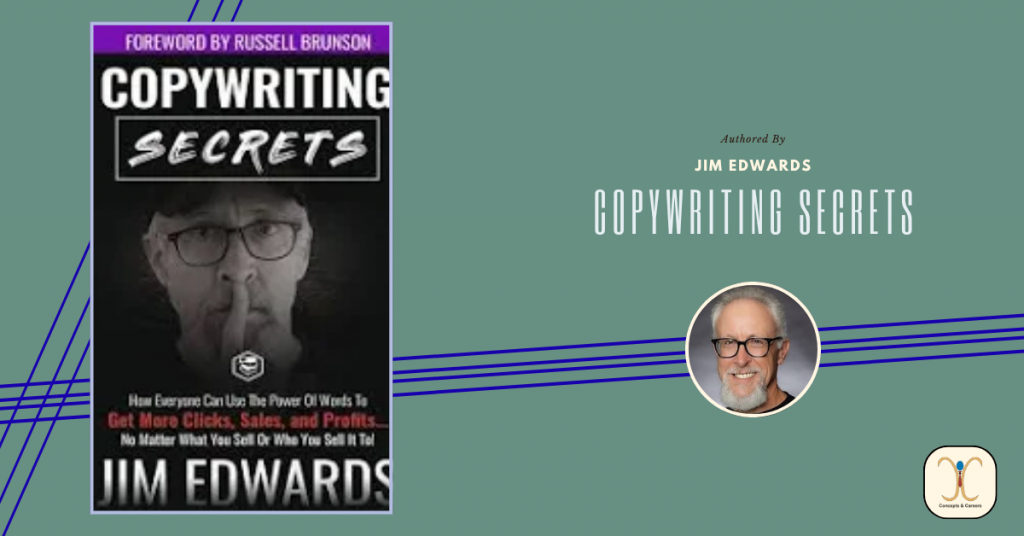
“Copywriting Secrets: How Everyone Can Use The Power Of Words To Get More Clicks, Sales and Profits . . . No Matter What You Sell Or Who You Sell It To!” by Jim Edwards is a masterclass in the art of persuasive writing. Edwards, an expert copywriter, shares his knowledge and strategies for crafting compelling copy that drives action. This book is a treasure trove of insights for marketers, entrepreneurs, and anyone looking to enhance their ability to influence and persuade through the written word. In this article, we will delve into the key concepts, strategies, and practical tips presented in “Copywriting Secrets” to provide a comprehensive analysis and summary.
1. The Essence of Copywriting
Edwards begins by demystifying the concept of copywriting. At its core, copywriting is the art of using words to persuade people to take a specific action, whether it’s making a purchase, signing up for a newsletter, or clicking a link. He emphasizes that good copywriting is not about being a literary genius; rather, it’s about understanding human psychology and crafting messages that resonate with your audience’s desires and pain points.
2. The Importance of Knowing Your Audience
One of the foundational principles in “Copywriting Secrets” is the importance of knowing your audience. Edwards stresses that effective copy starts with a deep understanding of your target market. This involves researching their demographics, psychographics, needs, and preferences. By knowing what motivates your audience, you can tailor your message to address their specific concerns and desires.
3. Crafting Irresistible Headlines
Edwards dedicates a significant portion of the book to the art of crafting headlines. Headlines are the first thing readers see, and they play a crucial role in grabbing attention. According to Edwards, a great headline should be clear, concise, and compelling. It should promise a benefit, evoke curiosity, or create a sense of urgency. He provides numerous examples and formulas for creating headlines that capture interest and entice readers to learn more.
4. The Power of Storytelling
Storytelling is a powerful tool in copywriting, and Edwards explains how to leverage it effectively. Humans are naturally drawn to stories, and a well-told story can create an emotional connection with the audience. Edwards advises using stories to illustrate how your product or service can solve a problem or improve the reader’s life. He also highlights the importance of authenticity and relatability in storytelling.
5. The AIDA Formula
Edwards introduces the AIDA formula (Attention, Interest, Desire, Action) as a framework for structuring persuasive copy. This classic marketing model guides readers through the stages of engagement:
– Attention: Capture the reader’s attention with a compelling headline or opening.
– Interest: Build interest by addressing the reader’s needs and presenting valuable information.
– Desire: Create desire by highlighting the benefits and emotional appeal of your offer.
– Action: Prompt the reader to take action, whether it’s making a purchase, signing up, or contacting you.
6. Benefits Over Features
A key lesson from “Copywriting Secrets” is the emphasis on focusing on benefits rather than features. While features describe what a product does, benefits explain how it improves the user’s life. Edwards argues that people are more interested in how a product will make them feel or solve their problems than in its technical specifications. He provides strategies for translating features into compelling benefits that resonate with readers.
7. Creating Persuasive Offers
Edwards outlines the components of a persuasive offer, which include the main product, bonuses, guarantees, and pricing strategies. He explains how to structure offers that provide value and reduce the perceived risk for the buyer. Additionally, he discusses the importance of creating a sense of urgency and scarcity to encourage prompt action.
8. Overcoming Objections
Addressing and overcoming objections is a critical aspect of effective copywriting. Edwards advises anticipating common objections and proactively addressing them in your copy. This can be achieved through testimonials, case studies, risk-free guarantees, and transparent information. By alleviating concerns, you build trust and increase the likelihood of conversion.
9. The Role of Emotional Triggers
Emotions play a significant role in decision-making, and Edwards emphasizes the use of emotional triggers in copywriting. He identifies several key emotions, such as fear, greed, envy, and desire, that can be leveraged to create a compelling narrative. By tapping into these emotions, you can create a sense of urgency and motivation for the reader to take action.
10. Testing and Optimization
Edwards stresses the importance of testing and optimizing your copy to achieve the best results. He recommends conducting A/B tests to compare different versions of your copy and determine what resonates most with your audience. Additionally, he advises tracking key metrics, such as click-through rates and conversion rates, to measure the effectiveness of your copy and make data-driven improvements.
11. Practical Tips and Techniques
Throughout “Copywriting Secrets,” Edwards provides practical tips and techniques for writing persuasive copy. These include:
– Using power words: Certain words have a strong psychological impact and can make your copy more compelling.
– Creating urgency: Techniques such as limited-time offers and countdown timers can prompt immediate action.
– Building trust: Including testimonials, endorsements, and social proof can enhance credibility and trustworthiness.
– Writing with clarity: Clear and concise copy is more likely to engage readers and convey your message effectively.
12. Conclusion
“Copywriting Secrets” by Jim Edwards is a comprehensive guide to mastering the art of persuasive writing. By understanding the principles and techniques outlined in the book, anyone can enhance their copywriting skills and create compelling messages that drive action. Whether you’re a seasoned marketer or a beginner, Edwards’ insights and strategies provide valuable guidance for crafting copy that resonates with your audience and achieves your desired outcomes.