- Have any questions?
- [email protected]


Exploring the Depths of Existence: A Comprehensive Analysis of “Hamlet” by William Shakespeare

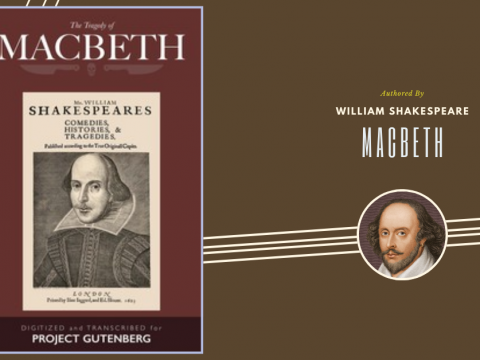
Unraveling Ambition and Tragedy: A Comprehensive Analysis of “Macbeth” by William Shakespeare
January 14, 2026
Fermi AI: Guiding Deeper Learning with Intelligent AI Tutors
January 28, 2026
“Hamlet” by William Shakespeare is one of the most celebrated and enigmatic works of literature, exploring themes of revenge, madness, and the complexities of the human condition. In this comprehensive analysis, we will delve into the intricacies of Shakespeare’s iconic play, unraveling its plot, characters, and profound philosophical insights to uncover the timeless relevance and enduring allure of “Hamlet.”
1. The Plot:
At the heart of “Hamlet” is a tale of betrayal, revenge, and existential angst. The play follows Prince Hamlet of Denmark, who is haunted by the ghost of his father, the former king, urging him to avenge his murder at the hands of Hamlet’s uncle, Claudius, who has since married Hamlet’s mother, Gertrude. As Hamlet grapples with the weight of his father’s command and the moral implications of revenge, he descends into a spiral of doubt, indecision, and madness, ultimately leading to a tragic conclusion.
2. The Characters:
Shakespeare’s characters in “Hamlet” are richly drawn and multifaceted, each contributing to the play’s intricate web of intrigue and emotion. Hamlet himself is a complex figure, torn between his desire for revenge and his introspective nature, while Claudius is a cunning and manipulative antagonist whose guilt haunts him at every turn. Other key characters, such as Ophelia, Polonius, and Horatio, provide insight into different aspects of human nature and morality.
3. Themes and Motifs:
“Hamlet” is replete with themes and motifs that resonate with audiences across generations, including the nature of justice, the inevitability of death, and the search for meaning in a chaotic world. Shakespeare explores the complexities of human emotion and the fragility of sanity, while also delving into questions of fate, free will, and the existence of an afterlife. The motif of “madness” permeates the play, blurring the lines between reality and illusion and adding to its atmosphere of uncertainty and tension.
4. Language and Dramatic Techniques:
Shakespeare’s language and dramatic techniques in “Hamlet” are masterful, elevating the play to the status of a literary masterpiece. From the iconic soliloquies that reveal Hamlet’s inner turmoil to the intricate wordplay and symbolism woven throughout the text, Shakespeare’s use of language is both poetic and profound, inviting audiences to ponder the deeper meanings beneath the surface of the dialogue. The play’s structure, with its intricate plot twists and dramatic irony, keeps audiences engaged from beginning to end.
5. Cultural and Historical Context:
Understanding the cultural and historical context of “Hamlet” is essential for appreciating its themes and significance. The play was written during the Elizabethan era, a time of political intrigue and religious upheaval, which is reflected in its exploration of power dynamics and moral corruption. Shakespeare’s portrayal of the monarchy and the aristocracy resonated with contemporary concerns about the nature of authority and the responsibilities of leadership.
“Hamlet” remains a timeless masterpiece that continues to captivate audiences with its complex characters, rich language, and profound insights into the human condition. Through its exploration of revenge, madness, and existential angst, Shakespeare’s play challenges us to confront our own mortality and grapple with the mysteries of existence, reminding us of the enduring power of literature to illuminate the darkest corners of the human soul.