- Have any questions?
- [email protected]


Unraveling Ambition and Tragedy: A Comprehensive Analysis of “Macbeth” by William Shakespeare

Arrowhead — Human-sounding voice AI that closes financial-services deals
January 9, 2026
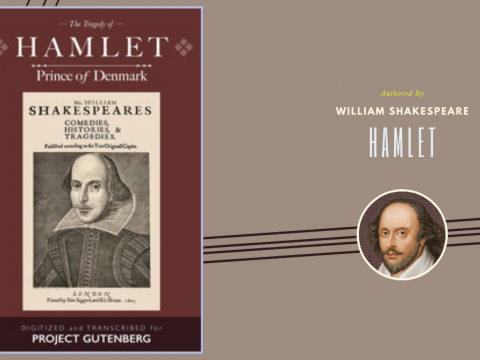
Exploring the Depths of Existence: A Comprehensive Analysis of “Hamlet” by William Shakespeare
January 28, 2026
“Macbeth” by William Shakespeare is a timeless tragedy that explores the corrosive effects of unchecked ambition and the consequences of power. In this comprehensive analysis, we will delve into the intricacies of Shakespeare’s masterful play, dissecting its themes, characters, and dramatic elements to uncover the profound insights it offers into human nature and the human condition.
1. The Plot:
At the heart of “Macbeth” is a gripping tale of ambition, betrayal, and murder. The play follows the titular character, Macbeth, a Scottish nobleman who, spurred on by the prophecies of three witches and the ambition of his wife, Lady Macbeth, murders King Duncan to seize the throne. As Macbeth’s lust for power grows, so too does his paranoia and guilt, leading to a downward spiral of violence and madness that ultimately culminates in his tragic downfall.
2. The Characters:
Shakespeare’s characters in “Macbeth” are complex and multi-dimensional, each driven by their own desires, fears, and motivations. Macbeth himself is a tragic figure torn between his ambition and his conscience, while Lady Macbeth is a master manipulator whose ambition ultimately consumes her. Other key characters, such as the witches, Banquo, and Macduff, play crucial roles in shaping the course of the narrative and reflecting different facets of human nature.
3. Themes and Motifs:
“Macbeth” is rich with themes and motifs that resonate throughout the play, including ambition, guilt, fate, and the nature of masculinity. Shakespeare explores the corrupting influence of power and the consequences of moral compromise, while also delving into questions of free will and determinism. The motif of blood, symbolizing guilt and violence, recurs throughout the play, adding to its atmosphere of dread and foreboding.
4. Dramatic Elements and Language:
Shakespeare’s use of dramatic elements and language in “Macbeth” is masterful, contributing to the play’s emotional intensity and psychological depth. From the haunting imagery of the witches’ prophecies to the soliloquies that reveal the inner workings of Macbeth’s mind, Shakespeare’s language is both poetic and profound, inviting audiences to ponder the deeper meanings beneath the surface of the text.
5. Cultural and Historical Context:
Understanding the cultural and historical context of “Macbeth” is essential for appreciating its themes and significance. The play was written during the reign of King James I, a time of political instability and paranoia, which is reflected in its exploration of regicide and the abuse of power. Shakespeare’s portrayal of the supernatural also resonated with contemporary beliefs about witchcraft and the occult.
“Macbeth” stands as one of Shakespeare’s greatest tragedies, a timeless exploration of the human psyche and the consequences of unchecked ambition. Through its vivid characters, powerful themes, and masterful language, the play continues to captivate audiences and provoke thought, reminding us of the enduring power of Shakespeare’s artistry and insight.